


Introduction
As Liu Xiaobo says, Freedom of expression is the foundation of human rights, the source of humanity, and the mother of truth. The bedrock of every democratic country is the right to speak and express oneself freely. The first requirement of freedom lies in the capacity to communicate openly and engage in free and open discourse without any fear of coercion. Without freedom of speech, democracy would merely be a facade which becomes incapable of reflecting the people’s will. Reputation and dignity are paramount aspects of an individual’s life. Every individual wants to safeguard their dignity from any false and damaging statements. The Supreme Court has recognised the right to reputation as a part of the right to life and personal liberty under Article 21 of the Constitution of India. Thereby, laws should be framed to protect one’s right to reputation but also not restrict anyone’s freedom of speech and expression. The freedom to express dissent and criticise those in positions of authority is an essential feature of democratic society. However, trepidation of criminal prosecution, prolonged proceedings or financial expenses would silence those individuals who wanted to speak in matters of public interest. Also, sometimes criminal defamation is invoked to silence legitimate critics, journalists, activists, and worthy political opponents. This raises a central question: whether India’s criminal defamation laws strike a fair balance between the constitutional right to freedom of speech & expression and the right to one’s reputation, or whether they can be misused and lead to suppression of criticism and dissent.
Legal Framework
In India, the freedom of speech and expression is guaranteed under Article 19 (1) (a) of the Indian Constitution, which is available only to citizens of India and not to foreign nationals. This freedom includes the right to express one’s views through any medium, whether by speaking, writing, gesture or any other possible form. Whereas Article 19(2) permits reasonable restrictions, which aim to maintain social order and prevent its misuse. There is a total of eight grounds upon which the state can enforce reasonable restrictions on the exercise of the right to freedom of speech and expression. These are: defamation, contempt of court, decency or morality, security of the state, friendly relations with other states, incitement to an offence, sedition and public order. Although the right to freedom of speech and expression is subject to several constitutionally recognised restrictions, the present discussion is confined to the implications of criminal defamation only. Article 21 of the Indian Constitution states that no person shall be deprived of his life and personal liberty except according to procedures established by law. It applies to both citizens and non-citizens, unlike Article 19. The Supreme Court has expanded the umbrella of Article 21 to include various other rights under it, such as the right to reputation. In Subramaniam Swamy v. Union of India, reputation was declared an integral part of dignity under Article 21, and criminal defamation under Section 356 BNS was upheld to protect social value. Further, Section 356 of BNS ( earlier Section 499 IPC) defines criminal defamation as words spoken, intended to be read, signs and visible representations published or spoken about a person with the intent of damaging a person’s reputation, or with sufficient knowledge to believe that the imputation will affect his reputation. Defamation in India can be broadly understood through two different legal avenues, such as civil and criminal proceedings. While civil proceedings primarily seek to compensate the aggrieved party for the harm caused to their reputation, criminal proceedings seek to prosecute and penalise the accused.
Misuse of Criminal Defamation Laws
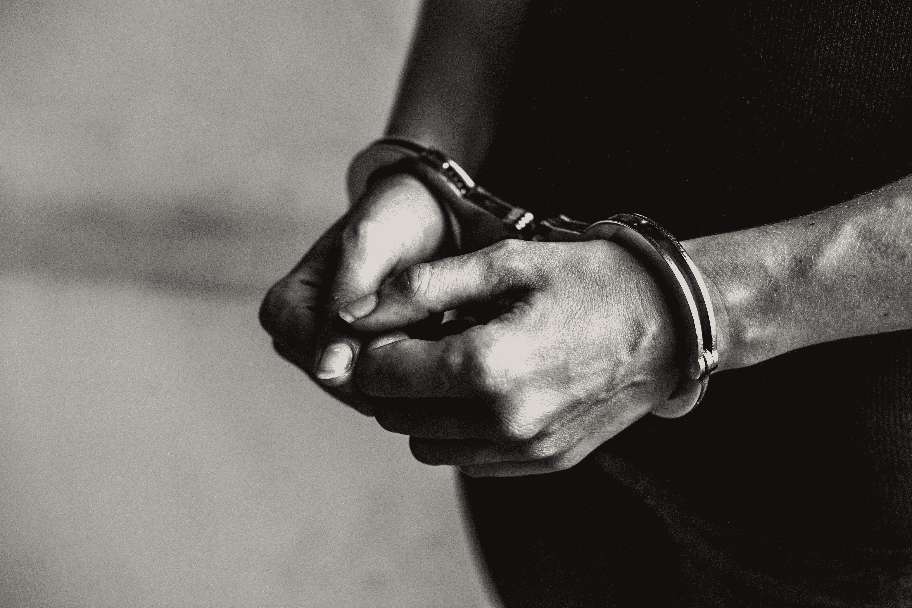
Defamation laws, especially criminal provisions, are often continuously misused by politicians, leaders, and powerful individuals to silence legitimate critics. Instead of protecting reputations, they are being weaponised by people to suppress public discourse.
The freedom of speech may be taken away; the dumb and silent we may be led, like sheep, to the slaughter. – George Washington
The misuse of criminal defamation laws becomes particularly concerning when legal proceedings are initiated not merely to protect reputation but also to discourage the critics. Individuals with social, economic and political influence may be better positioned to pursue criminal complaints against those who question their conduct. Even when the allegations are contested, the accused may be required to appear several times to defend themselves, which would ultimately lead to a source of pressure, shifting the attention from the substance of the criticism and towards the burden of defending against prosecution.
Also, excessive use of defamation proceedings may affect investigative journalism, public debate, and the scrutiny of those holding positions of power. However, just filing a defamation complaint does not automatically establish misuse. The concern arises when it is used to intimidate critics or suppress legitimate dissent and expression rather than to remedy genuine reputational harm.
Judicial Approach- Balancing Free Speech and Reputation
The Indian judiciary has played a significant role in interpreting the relationship between freedom of speech and expression and the right to reputation. Through various judicial pronouncements, the court has examined the constitutional validity of criminal defamation and the extent to which restrictions on speech may be justified to protect an individual’s reputation.
1. Subramanian Swamy v. Union of India (2016)7
The petitioner argued that using criminal proceedings to restrict the expression of public opinions, ideas, and criticism could undermine the functioning of a democratic society. However, the Supreme Court observed that the freedom of speech and expression does not grant an unrestricted right to damage another person’s reputation through defamatory statements. The Court upheld the constitutional validity of Sections 499 and 500 of the Indian Penal Code, recognising reputation as an aspect of the right to life and personal liberty under Article 21 of the Constitution. It further held that criminal defamation constitutes a reasonable restriction on freedom of speech and expression under Article 19(2).
2. Rajagopal v. State of Tamil Nadu (1994)
The case examined the constitutional validity of defamation laws and their compatibility with the fundamental right to freedom of speech and expression. The Court considered the extent to which defamation could be restricted under Article 19 (1)(a) and the concerns surrounding the allocation of the burden of proof. One major objection to Section 499 of the IPC was that it subjected certain disputes to criminal proceedings, even when civil remedies could provide an alternative means of addressing the harm. This gave rise to concerns about the limitation of free speech and the standard of fault or knowledge of falsity required to hold a person legally accountable for defamatory statements.
Suggestions for Reform
The potential misuse of criminal defamation laws calls for safeguards that protect both individuals’ reputations and freedom of expression. First, courts should carefully examine whether criminal defamation has a genuine legal basis or appears intended to intimidate individuals for expressing legitimate criticism. Secondly, emphasise the importance of fair comment, responsible journalism and good-faith statements which concern matters of public interest, subject to applicable legal provisions and their exceptions. Thirdly, instead of criminal prosecution, resort to civil remedies should be considered where appropriate. This would encourage proportionate response to reputational harm. Lastly, recommend efficient case management and timely judicial scrutiny to minimise unnecessary delays, expenses and procedural hardships for the accused person.
Conclusion
Criminal defamation laws play an important role in protecting an individual’s reputation; however, their misuse may undermine the freedom of speech and expression essential to democratic governance. The challenge lies in maintaining a balance between Articles 19(1)(a) and 21 of the Indian Constitution. In the final analysis, the protection of an individual’s reputation should not be used to curtail legitimate criticism or dissent.
