


Introduction
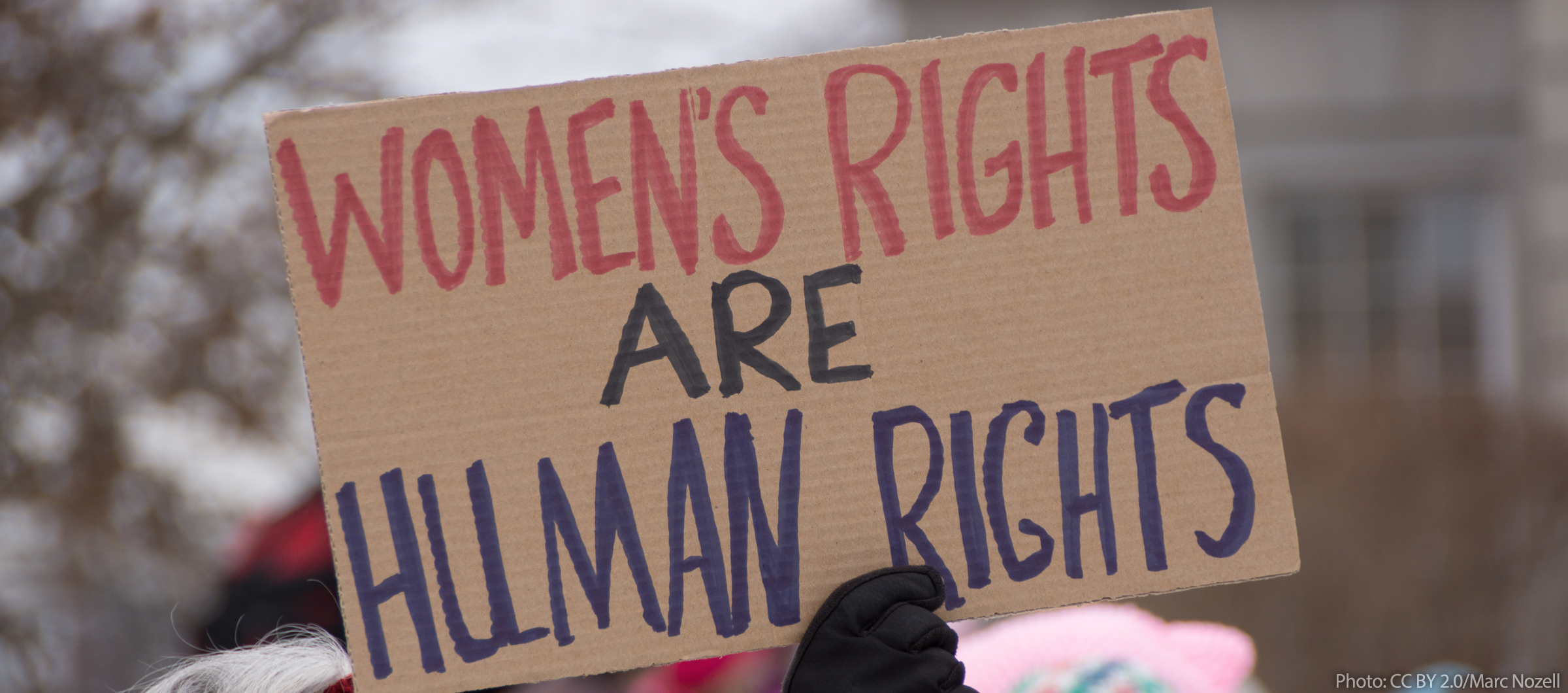
Women’s rights are an inalienable, integral part of human rights. The principle that women have the same rights and freedoms as men is today universally accepted throughout international law. Still, it has come after many years of fighting against discrimination, inequality, and social injustice against them all over the world. Traditionally, women were deprived of equal rights regarding education, work, property, participation in politics, and even protection by the law. Violence against women, both within the private and public spheres, has further exacerbated their precarious position.
International Human Rights Law, in this respect, has played an increasingly important role in developing normative standards and state obligations to protect, promote, and fulfill women’s rights. During these years, the international community has adopted treaties, conventions, declarations, and monitoring mechanisms aimed specifically at eradicating discrimination against women and ensuring gender equality. This article discusses the concept of women’s rights under international human rights law, the need for protection of the same, major international legal instruments, enforcement mechanisms, challenges in implementation, and a way forward.
Concept of Women’s Rights under International Human Rights Law
Women’s rights are, therefore, the freedom and rights accorded to them just like men. The rights range from civil rights to political, economic, social, and cultural. Through International Human Rights Law, women are accorded all human rights without any form of discrimination based on sex or gender.
The root of the women’s rights under international law is found in the principle of equality and non-discrimination. Equality does not mean not distinguishing between men and women; it also calls for special measures with respect to traditional disadvantages. This is usually called substantive equality, which deals with the idea of actual equality in substance.
Need for Protection of Women’s Rights at the International Level
Despite all the legal and social changes, women are continuing to suffer from violations of their human rights. Some of the main reasons why international protection for women’s human rights is necessary are:
- Gender-Based Discrimination in Education, Employment, and Income
- Violence against women, including domestic violence, sexual assault, trafficking, and honor crimes
- Limited Political Participation and Under-Representation in Decision-Making Roles
- Economic dependence and poverty
- Harmful Traditional Practices such as Child Marriages and FemaleGenitalMutilation
National laws are often inadequate instruments for dealing with these concerns, not only because of issues of non-enforcement, non-compliance, or political reluctance, but also because of cultural and religious resistance, which is why International Human Rights Law establishes a global rule that commits states towards respecting women’s rights.
Historical Development of Women’s Rights in International Law
In the early days of international law, women’s rights were not given much consideration. The concentration was mainly on state sovereignty and political rights. However, after World War II, the adoption of the United Nations Charter in 1945 was a landmark. This was because of its acceptance of faith in fundamental human rights and the equal rights of men and women.
Universal Declaration of Human Rights (UDHR), 1948
The Universal Declaration of Human Rights (UDHR) is the cornerstone of international human rights law. Although it does not exclusively focus on women, it lays down the principle of equality and non-discrimination.
Key provisions relevant to women include:
-
Article 1: All human beings are born free and equal in dignity and rights.
-
Article 2: Everyone is entitled to rights and freedoms without discrimination based on sex.
-
Article 7: Equality before the law and equal protection of the law.
-
Article 16: Equal rights in marriage and family life.
The UDHR established the idea that women’s rights are human rights, paving the way for future treaties.
Convention on the Elimination of All Forms of Discrimination Against Women (CEDAW), 1979
CEDAW stands for the most comprehensive and significant international treaty relating to the protection and safeguarding of women’s rights, which is also referred to as the International Bill of Rights for Women.
Definition of Discrimination
Discrimination against women, as defined under CEDAW, is “any differentiation, exclusion, or restriction based on sex which imposes, or nullifies, or hampers the enjoyment or exercise of women’s rights.”
Obligations of States
The states parties to the CEDAW have the following obligations:
Eliminate discrimination in laws, policies, and practices
Promote equality in educational opportunities, employment, health care, and political activity
Modify social and cultural norms that perpetuate stereotypes
Protect women from trafficking and exploitation
CEDAW Committee
The Convention created a CEDAW Committee that monitors compliance by reviewing periodic reports submitted by states.
CEDAW is notable for going beyond equality as a legal principle and for promoting substantive equality and the need for special measures to empower women.
International Covenant on Civil and Political Rights (ICCPR), 1966
The ICCPR guarantees fundamental civil and political rights and ensures equality between men and women.
Relevant provisions include:
-
Article 3: Equal rights of men and women
-
Article 6: Right to life
-
Article 7: Freedom from torture and cruel, inhuman, or degrading treatment
-
Article 26: Equality before the law and non-discrimination
The ICCPR is particularly important in addressing issues such as violence against women, arbitrary detention, and political participation.
Declaration on the Elimination of Violence against Women, 1993
This UN Declaration was the first international instrument to explicitly address violence against women as a human rights violation.
It defines violence against women broadly, including:
-
Domestic violence
-
Sexual violence
-
Psychological abuse
-
Violence by the state
The Declaration emphasizes that states have a duty to prevent violence, punish perpetrators, and provide remedies to victims.
Role of International and Regional Mechanisms
United Nations and UN Women
The United Nations plays an important role in advancing women’s rights across the globe via different agencies. UN Women specializes specifically in gender equality and women’s empowerment.
Human Rights Council
The UN Human Rights Council deals with human rights abuses against women through special rapporteurs and resolutions.
Regional Human Rights Systems
The following regional instruments:
- European Convention on Human Rights
- Inter-American Convention on the Prevention, Punishment, and Eradication of Violence against Women
- African Charter on Human and Peoples’ Rights
- also provide protection to women at regional levels.
Conclusion
‘International Human Rights Law’ has played an immense part in the recognition and protection of the rights of women. In this regard, instruments such as the UDHR, CEDAW, ICCPR, and ICESCR provide a comprehensive legal framework to ensure equality, dignity, and fairness for women. But, legally protecting the rights of women is not enough.
Therefore, for the rights of women to attain true protection, implementation, awareness, and commitment must be achieved on a social level. Women’s rights are not just women’s issues; they are human rights issues, and it is critical for the achievement of a just, peaceful, and inclusive world society to ensure gender equality.
