


Abstract
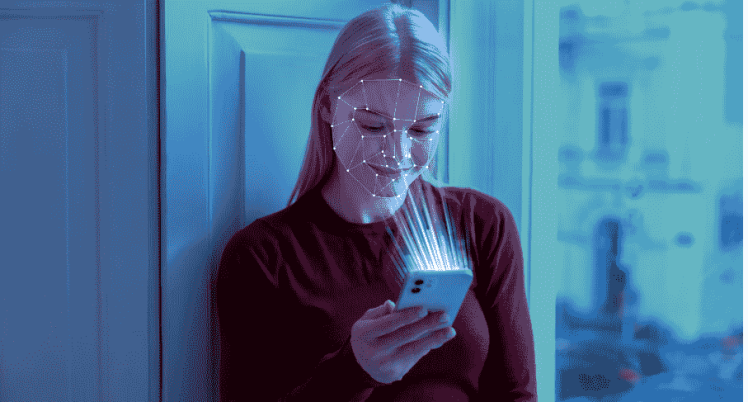
India is facing a complex regulatory conundrum with the explosive rise of deepfake technology and OTT streaming platforms. Deepfakes—AI-generated synthetic media—pose serious threats to national security, democracy, reputation, and privacy. Simultaneously, OTT platforms have transformed entertainment consumption but often push the boundaries of propriety, obscenity, and misinformation within a semi-regulated environment.
India’s current framework—primarily the Information Technology Act, 2000, the IT Rules, 2021, and limited sections of the IPC, 1860—is inadequate to address these digital harms. This article examines the interplay between technology and law, highlighting policy gaps, constitutional challenges, judicial interventions, and international best practices. It argues for a progressive, rights-based legal framework that balances digital safety with free expression, ensuring responsible regulation of deepfakes and OTT platforms.
Introduction
The digital revolution has blurred the line between illusion and reality. Content once considered science fiction—AI-generated videos and images—has now become a serious legal and social issue.
- Deepfakes are increasingly misused for sexual exploitation, political propaganda, misinformation, and cyberbullying, threatening democracy and individual dignity.
- OTT platforms, by offering uncensored, on-demand programming, have democratized entertainment but also raised concerns about cultural sensitivity, obscenity, child safety, and misinformation.
India’s regulatory stance has been largely reactive rather than anticipatory. The IT Act, 2000, conceived before the rise of AI and global OTT content, falls short of addressing these modern challenges. Judicial interventions, though progressive, remain fragmented. The Parliamentary Standing Committee on Communications and IT (2025) has stressed the urgent need for a coherent, forward-looking legal framework.
Free Speech vs Right to Privacy
Free Speech
- Principle: Freedom of expression protects the creation, distribution, and access to content—including satire, parody, and creative uses of deepfakes.
- OTT Context: Creators argue that restrictions stifle creativity, storytelling, and artistic innovation (e.g., historical reimaginings, special effects).
- Limitations: Free speech is subject to restrictions against hate speech, obscenity, defamation, misinformation, and incitement to violence.
Right to Privacy
- Principle: Every person has the right to control the use of their likeness, voice, and personal data.
- Deepfake Violations:
- Non-consensual sexual content.
- Unauthorized use of celebrity or individual faces in OTT media.
- AI-generated misinformation causing reputational or emotional harm.
- OTT Data Concerns: Platforms collect vast user data (preferences, habits). AI-driven manipulation compounds risks of privacy breaches.
Digital Dilemma: Key Data Points
- Cybercrime Complaints Surge
- I4C (MHA) reported ~7,000 cybercrime complaints daily in early 2024 (7.4 lakh complaints Jan–Apr). Losses exceeded ₹1,700 crore in four months.
- Source: DD News
- CERT-In & Deepfakes
- CERT-In issued advisories on deepfakes (Nov 2024) and MeitY initiated anti-deepfake tool testing.
- Source: PIB Release
- OTT Market Growth
- PwC India projects 14–15% CAGR for OTT (2024–28).
- FICCI–EY (2024/25): Digital media overtook TV, with sector size ₹2.5 trillion; digital accounts for ~32% of revenues.
- Source: EY Report
Case Law Landscape
1. Core Digital Speech & Intermediary Liability
- Shreya Singhal v. Union of India (2015) 5 SCC 1
- Struck down Section 66A IT Act (vague restrictions on online speech).
- Upheld Section 69A (blocking power) & Section 79(3) (conditional intermediary liability).
2. Privacy, Reputation & Digital Harm
- Justice K.S. Puttaswamy v. Union of India (2017) 10 SCC 1
- Recognized Right to Privacy as a Fundamental Right (Article 21).
- Foundational for arguing against non-consensual deepfakes and AI-based impersonation.
3. OTT Regulation & Content Liability
- Justice for Rights Foundation v. Union of India (2018) SCC OnLine Del 11147
- PIL sought OTT regulation.
- Delhi HC noted absence of direct regulation but upheld Govt powers under IT Act.
- Basis for IT Rules, 2021 (Part III) regulating OTTs.
Existing Legal Framework
- IT Act, 2000 & IT Rules, 2021: Blocking powers (Sec. 69A), takedown obligations, OTT grievance redressal (3-tier mechanism), parental controls.
- Bharatiya Nyaya Sanhita, 2023: Provisions on defamation, obscenity, sexual harassment—applicable to deepfakes.
- Digital Personal Data Protection Act, 2023: Strengthens consent and penalizes misuse of personal data.
- Intermediary Liability (Sec. 79 IT Act): Safe harbour conditional on compliance; failure may lead to liability for illegal/deepfake content.
Conclusion
India’s digital landscape is expanding at unprecedented speed, but risks grow alongside opportunities.
- Deepfakes: Threaten democracy, social trust, and dignity by merging fact with fiction.
- OTTs: Democratize entertainment but expose accountability and censorship gaps.
While the IT Act, IT Rules 2021, BNS 2023, and DPDP Act 2023 provide partial answers, they remain insufficient. Future regulation must:
- Encourage platform-level AI detection tools.
- Define clear statutory standards for deepfakes.
- Strengthen grievance redressal and rapid takedown mechanisms.
- Balance free expression with privacy and dignity, avoiding both under-regulation and over-criminalization.
FAQs
Q1. Are deepfakes specifically prohibited in India?
No standalone deepfake law exists. However, they fall under the DPDP Act, 2023, BNS (defamation, obscenity, sexual harassment), and IT Act provisions (66C, 66D, 66E, 67/67A). Courts view non-consensual deepfakes as privacy violations.
Q2. What regulations apply to OTT platforms?
- Governed by IT Rules, 2021 (Part III).
- Must follow a three-tier grievance mechanism, provide age-based classification & parental controls, and adhere to a code of ethics.
- Future: Broadcasting Services (Regulation) Bill, 2023 may strengthen OTT oversight.
Q3. What role do intermediaries (e.g., social media platforms) play?
- Protected under Sec. 79 IT Act (“safe harbour”), but must act on takedown orders.
- Non-compliance risks losing immunity, including for deepfake content.
Q4. How should regulation proceed?
- Balanced approach with statutory clarity, AI detection tools, awareness campaigns, and efficient redressal mechanisms.
- Avoid overcriminalization (stifling creativity) and underregulation (causing harm).
Also Read:
Rights of undertrial prisoners in India
How To Send A Legal Notice In India

Very informative and current trending news
Very creatively written article